
Speech Therapy at Home: How to Practice the S Sound
A realistic way to practice the S sound at home: three short moments a day, games your child will enjoy and a clear line on when to bring in an SLP.
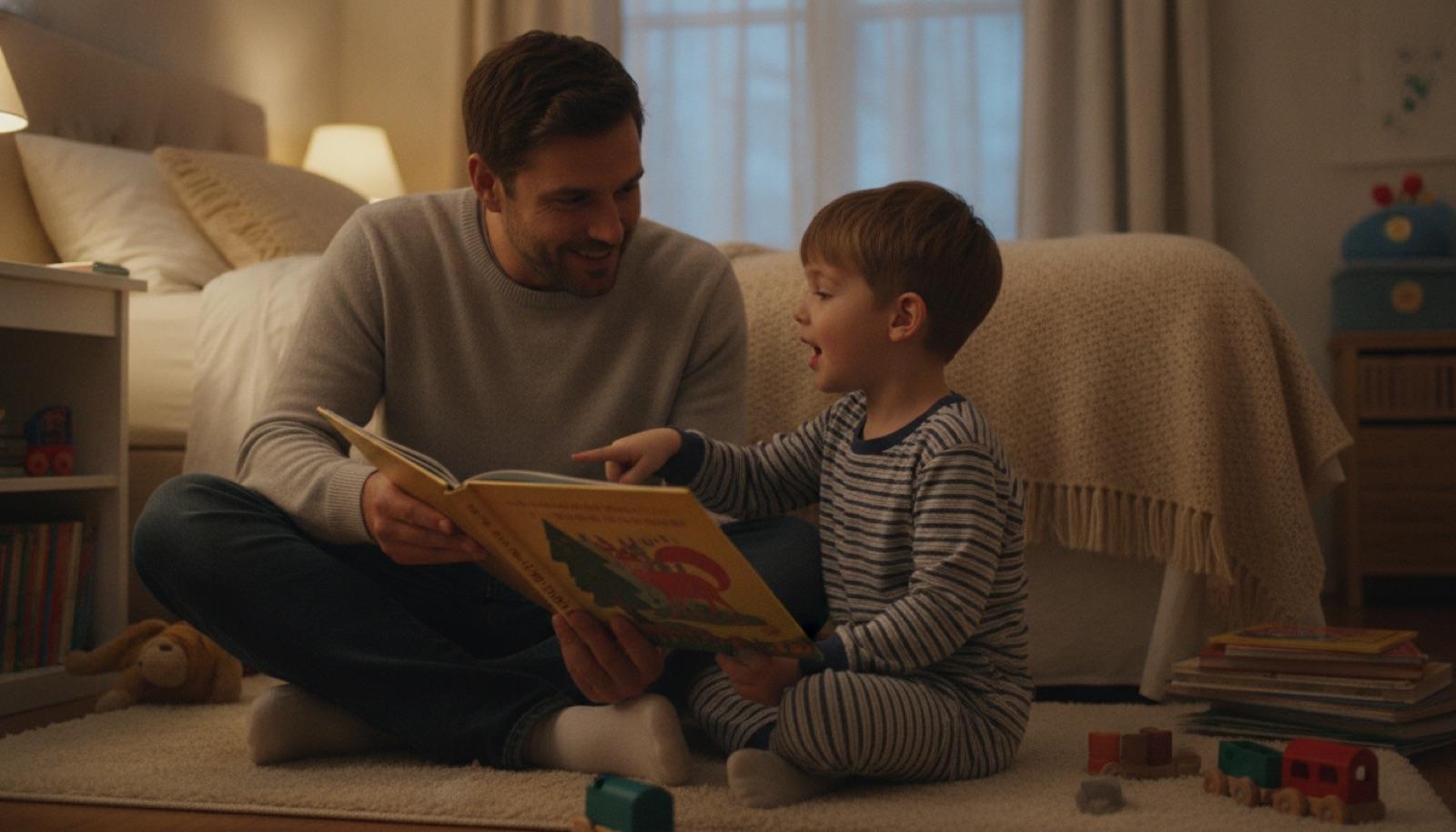
In short: Speech practice at home works best in short, consistent sessions woven into your day. For the S sound, follow the same ladder therapists use: listen first, then the sound alone, syllables, words, phrases and everyday talk.
Can you do speech therapy at home?
Speech therapy itself is led by a speech-language pathologist (SLP). What you can do at home is the practice: the many short repetitions that turn a new sound into a habit. That part happens in your kitchen and car far more than in any office.
Expressable's speech-language pathologist writes that practice at home works best in short, consistent sessions woven into daily routines like meals, bath time and play (Expressable). You do not need a free hour. You need a few good minutes, often.
A realistic routine: three short moments a day
Here is the routine we suggest for busy families. Each moment takes a few minutes and fits into something you already do:
- At breakfast: listen. Say a word with a clear S and the same word with a lisp and let your child judge which one was clear. Listening comes before saying.
- After school or daycare: practice. Work on the step your child is on: the S sound alone, syllables, words or phrases. These are the same contexts ASHA lists when SLPs check how well a child can imitate a sound (ASHA).
- At bedtime: use it. While you read, pause on words with S and let your child say them. Praise the effort, not only the perfect S.
Which games make S practice fun?
Children practice more when it feels like play. A few simple games work well:
- Clear or not? You say a word two ways and your child is the judge. Then swap roles.
- Mirror check. Sit side by side in front of a mirror and say S words together. Can you see the tongue between the teeth?
- S hunt. Walk around the house and find things whose names start with S, then say them in a sentence.
- Silly sentences. Make up a funny sentence with as many S words as you can and say it slowly together.
What should you do when the S comes out wrong?
Resist the urge to correct every word. Repeat the word back with a clear S in a natural sentence and move on. Your child hears the right sound without feeling tested.
Keep the mood light. Stop while it is still fun, switch games before they get boring and celebrate small steps. A child who enjoys practice will practice more.
When should you bring in a speech-language pathologist?
If you are unsure, your pediatrician can refer you to a licensed SLP. It is also worth seeing one if the S sounds slushy, which can point to a lateral lisp, or if other sounds are unclear too.
Not sure which type of lisp you are hearing? Read Types of lisps. For the full step-by-step plan, see How to get rid of a lisp.
How can an app help?
The hardest part of home practice is knowing exactly what to do and keeping it going. LispApp gives you clear video instructions, so you always know what to do even if you have never practiced speech sounds before. Kid-friendly games keep your child practicing without nagging and no reading is required. Start practicing with LispApp.
Try LispApp
LispApp was developed with American speech-language pathologists. Try LispApp
Frequently asked questions
Does speech practice at home work?
Home practice is how a new sound gets enough repetitions to become a habit. Expressable's SLP writes that it works best in short, consistent sessions woven into daily routines. If your child needs an SLP, home practice supports that work rather than replacing it.
How often should we practice speech at home?
Short and often. A few minutes at a time, tied to routines like meals, bath time and play, is easier to keep up than long sessions.
Do I need special materials for speech practice at home?
No. Picture books, a mirror and everyday objects are enough to start. An app like LispApp can add video instructions and games.
What if my child does not want to practice?
Keep it short and playful, switch games before they get boring and stop while it is still fun. Tying practice to routines your child already enjoys, like bedtime reading, helps too.