
How to Get Rid of a Lisp: A Step-by-Step Guide for Parents
A practical parent's guide to helping a child get rid of a lisp: the practice ladder speech therapists use, how to fit it into your day and when home practice is not enough.
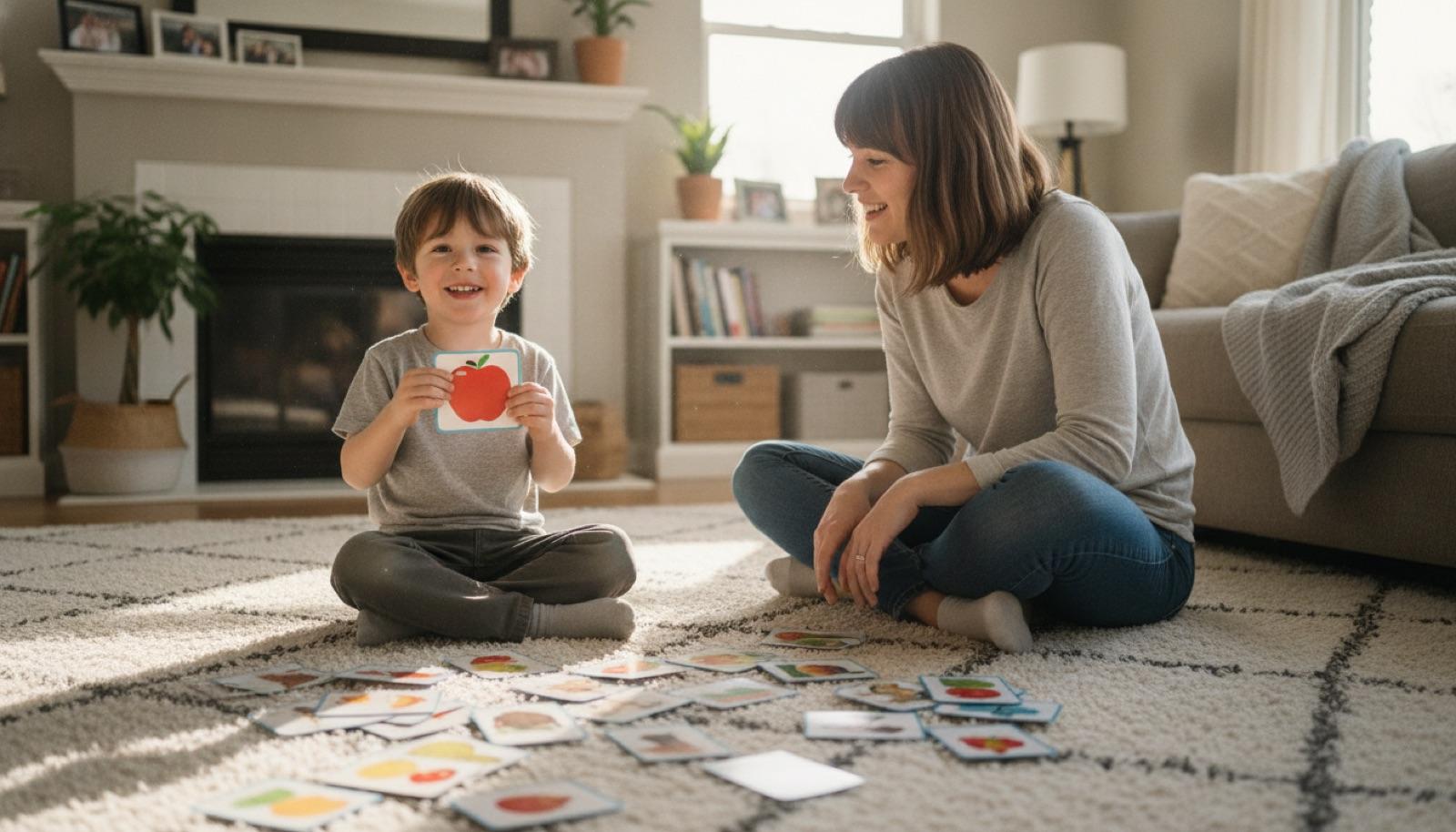
In short: A lisp comes from where the tongue goes when your child says S and Z, so getting rid of it means practicing a new habit. Start with listening, then practice the S sound by itself, then in syllables, words and phrases, in short sessions woven into your day. If the S sounds slushy, talk to your pediatrician or a speech-language pathologist (SLP).
What is a lisp?
A lisp is a speech difficulty that affects the S and Z sounds. WebMD describes it as difficulty in clearly making the sounds associated with the letters S and Z (WebMD).
You are far from alone. According to an estimate cited by WebMD, about 23% of speech-language pathologists' clients have lisps. It is one of the most common reasons children practice speech sounds.
Speech-language pathologists call some lisps distortions: the sound is there, but it comes out changed. A lateral /s/ is one example of a distortion, according to the American Speech-Language-Hearing Association (ASHA).
Which kind of lisp does your child have?
WebMD and Expressable both name four types: frontal, lateral, dentalized and palatal. The two you will hear about most are these (Expressable):
- Frontal (interdental) lisp: the tongue pushes forward between the teeth.
- Lateral lisp: the sides of the tongue are raised and air escapes around them. It is often described as sounding slushy or mushy.
Can a lisp be a passing stage?
Learning speech sounds is a developmental process and SLPs compare a child's speech with research on the ages when children typically acquire each sound (ASHA points clinicians to a review by Crowe and McLeod from 2020). That comparison is exactly what tells a passing stage from something worth working on and it is the SLP's job, not a parent's.
What a parent can do is notice. Does the lisp show up on every S? Does the S sound slushy? Is the rest of your child's speech easy to understand?
For a closer look at each type and what it means, read Lateral lisp, frontal lisp and the other types of lisps.
How do you get rid of a lisp at home? The practice ladder
Speech therapists build a new sound in small steps. When ASHA describes how an SLP checks whether a child can imitate a sound, it lists the contexts in order: isolation, syllable, word and phrase (ASHA). The same ladder works at home:
- Listen first. Say a word with a clear S and the same word with a lisp and let your child tell you which one was clear. Hearing the difference comes before saying it.
- The sound by itself. Practice a long, clear S on its own. Keep it playful and short.
- Syllables. Put the S together with vowels, like sa and see, at the start and the end.
- Words. Choose a few words your child likes that start with S, then words with S in the middle and at the end.
- Phrases and sentences. Use the practice words in short phrases, then sentences.
- Everyday talk. The last step is a clear S without thinking about it, at the dinner table or in the car. It usually takes the longest.
How often should you practice?
Short and often beats long and rare. Expressable's speech-language pathologist writes that home practice works best in short, consistent sessions woven into daily routines like meals, bath time and play (Expressable).
In practice, that means a few minutes when your child has energy, not a long session at the end of a tired day. Stop while it is still fun and your child will be willing next time.
What helps practice stick?
Children practice more when they do not feel tested. A few habits make a real difference:
- Model the word with a clear S instead of pointing out the mistake.
- Praise the effort, not only the perfect S.
- Practice together and be a little silly. It takes the pressure off.
- Switch the game before it gets boring.
When is home practice not enough?
Home practice is a good place to start, but it is not the answer for every child. Use this checklist to decide when to bring in a professional:
- The S sounds slushy or wet, with air escaping at the sides. That points to a lateral lisp, which is worth an SLP's look.
- Other sounds are unclear too, or other people have trouble understanding your child.
- You have practiced for a while and nothing is changing, or you are simply unsure.
Who to ask and what happens next
Your pediatrician can refer your child to a licensed speech-language pathologist who works with children, according to WebMD. In the assessment, the SLP looks at more than the S: ASHA describes checking the teeth and bite, the palate, how the lips, jaw and tongue move and a hearing screening (ASHA).
Home practice still matters after that. It is how a new habit forms between sessions. Read more in Speech therapy for a lisp: what to expect and Speech therapy at home.
How long does it take to get rid of a lisp?
There is no single answer. According to WebMD, it can take anywhere from a few months to a few years to get rid of a lisp. Every child is different and the type of lisp and how often you practice both play a part.
Curious why lisps happen in the first place? Read What causes a lisp? LispApp turns speech therapy exercises into fun games with clear video instructions, so you always know what to do next. Start practicing with LispApp.
Try LispApp
LispApp was developed with American speech-language pathologists. No reading is required. Try LispApp
Frequently asked questions
Can you get rid of a lisp at home?
Home practice builds the new tongue habit that replaces a lisp, step by step from listening to everyday talk. If the S sounds slushy or you are unsure, you can start home practice.
How long does it take to fix a lisp?
According to WebMD, it can take anywhere from a few months to a few years. Short, consistent practice sessions help a new habit form.
What is the first step to fixing a lisp at home?
Listening. Help your child hear the difference between a clear S and a lisped one, then practice the S sound by itself before moving on to syllables and words.
Read next
- Lateral Lisp, Frontal Lisp and Other Types of Lisps Explained
- What Causes a Lisp? What Parents Should Know
- Speech Therapy for a Lisp: What to Expect
- Speech Therapy at Home: How to Practice the S Sound
- S Words for Speech Therapy: Word Lists by Position
- S Blends Word List for Speech Practice (sp, st, sk and More)
- Tongue Thrust and Lisps: What Parents Should Know
- Speech Therapy Apps for Kids: What to Look For