Speech Therapy Apps for Kids: What to Look For
A parent's checklist for choosing a speech therapy app: what an app can and cannot do, six things to look for and how to make practice stick.
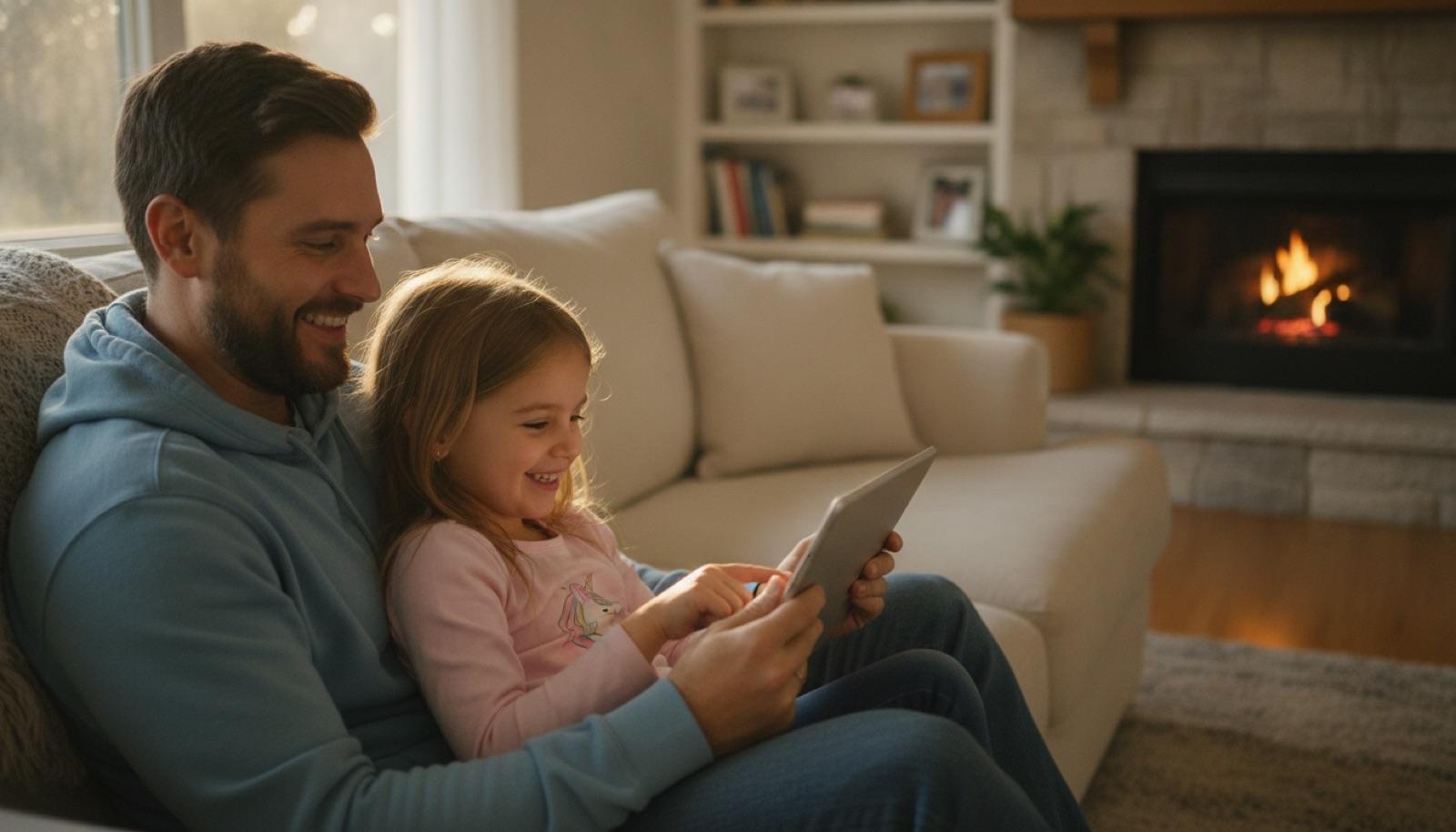
In short: A speech therapy app is a tool for practice at home, not a replacement for a speech-language pathologist's evaluation. Look for an app made with SLPs, with clear steps for you as the parent, a focus that matches your child's goal, games your child wants to play, a way to see progress and short sessions that fit your day. A speech therapy app is a tool for practice at home and sometimes the sound can be learned with it, without needing an SLP.
What can a speech therapy app do?
An app is good at the part of speech practice that needs the most time: repetition. A new sound becomes a habit through many short tries, step by step from the sound alone to syllables, words and phrases. Those are the contexts ASHA lists when it describes how SLPs check a sound (ASHA).
Practice at home works best in short, consistent sessions woven into daily routines, according to Expressable's speech-language pathologist (Expressable). A good app makes those sessions easy to start and easy to keep up.
What an app cannot do
An app cannot evaluate your child. When an SLP assesses speech, ASHA describes checking the teeth and bite, the palate, how the lips, jaw and tongue move and a hearing screening. No app does that.
So use an app for practice and bring in a professional when it matters.
Six things to look for in a speech therapy app
This is our checklist, written for parents of children working on a sound:
- Made with speech-language pathologists. Check who built the app and whether SLPs were involved.
- Clear steps for you. At home, you are the coach. Videos or instructions should show you exactly what to do.
- A focus that matches your child's goal. Some apps work on vocabulary and language, others on a specific sound. Pick one that fits what your child is working on.
- Games your child wants to play. If practice feels like a chore, it will not last.
- A way to see progress. Seeing small steps keeps both of you going.
- Short sessions that fit your day. For young children, check that the app works without reading.
How to fit app practice into your day
Tie practice to something you already do: after breakfast, before bath time, or in the car on the way home. A few minutes at the same time each day is easier to keep than a long session once a week.
Sit with your child at least at the start. Your attention, your praise and your clear speech are part of the practice. For more ideas, read Speech therapy at home.
How LispApp fits the list
LispApp is focused on one goal, a clear S sound, so it suits children working on a lisp. It was developed with American speech-language pathologists and is based on the same techniques used in speech therapy.
It gives you clear video instructions, so you know what to do even if you have never practiced speech sounds before. Kid-friendly games keep your child practicing without nagging and no reading is required. Start practicing with LispApp.
If your child's goal is something other than the S sound, look for an app built for that goal instead. For the full home plan for a lisp, see How to get rid of a lisp.
Try LispApp
LispApp turns speech therapy exercises into fun games for phone and tablet, with simple steps for parents. Try LispApp
Frequently asked questions
Can a speech therapy app replace a speech therapist?
No, but a lisp can be practiced with a speech therapy app and sometimes that is enough, so your child may not need to see an SLP. An app is a tool for practice at home. Evaluation, including checking the mouth, tongue movement and hearing, is done by a speech-language pathologist.
Are speech therapy apps worth it?
An app can be worth it if it helps you practice regularly in short sessions. Choose one made with SLPs, with clear steps for you and a focus that matches your child's goal.
What should I look for in a speech app for a child with a lisp?
A focus on the S sound, clear video steps for the parent, games your child enjoys, a way to see progress and short sessions that work without reading.
How long should my child use a speech app each day?
Short and often works best. A few minutes tied to a daily routine is easier to keep up than long sessions.